Engineered to withstand coastal storms, peak demand utility rates, and provide continuous power independence.
As one of the historic industrial powerhouses of the Northeast, Philadelphia faces a modern energy paradigm shift. The local grid, operated by PECO Energy Company, is increasingly subject to volatile dynamic pricing, transmission capacity limits, and extreme weather events (such as winter nor'easters and summer heat domes). Under the Pennsylvania Alternative Energy Portfolio Standards (AEPS) Act, the state is mandating cleaner energy integrations, urging commercial and industrial (C&I) sectors to look beyond simple grid reliance.
For Philadelphia-based commercial enterprises, warehousing hubs along the Delaware River, and suburban industrial corridors, hybrid solar energy storage systems offer a multi-functional escape from high demand charges. By storing solar production during off-peak morning hours and discharging during PECO's peak pricing intervals, businesses can significantly reduce their Levelized Cost of Storage (LCOS) while ensuring continuous operations when utility lines fail.
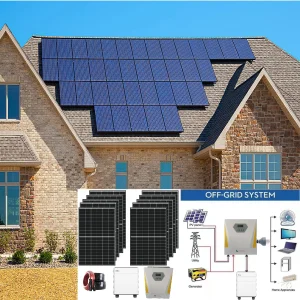
On a macro scale, the industrial and commercial sectors are shifting rapidly from basic grid-tied solar systems to smart microgrids. A traditional grid-tied PV installation disconnects during a grid failure to prevent hazard linesmen feedback. In a global economy optimized for just-in-time manufacturing, even a momentary power loss can cause millions of dollars in lost yield.
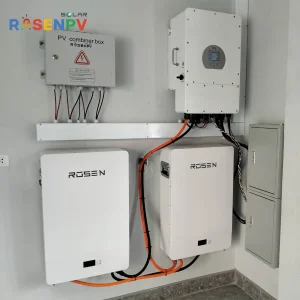
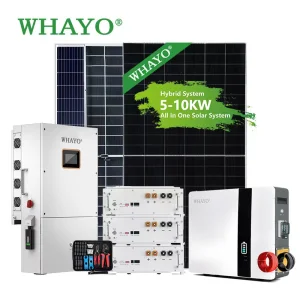
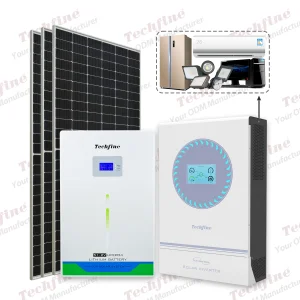
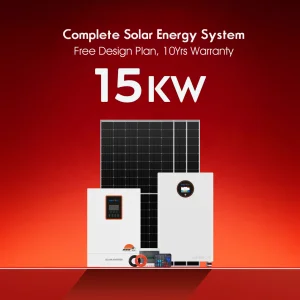
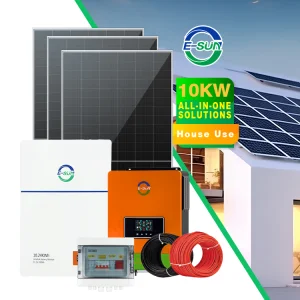
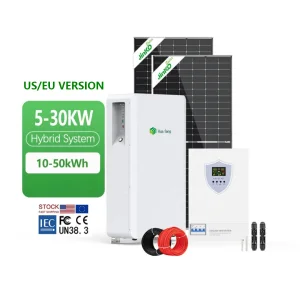
Modern hybrid infrastructures solve this vulnerability by combining PV arrays, high-efficiency battery packs (like the Dyness LiFePO4 series), and smart bi-directional inverters (such as Deye Three-Phase Hybrid Inverters). According to global market research, the hybrid solar system sector is projected to experience a compound annual growth rate (CAGR) exceeding 12% over the next decade. Driven by corporate ESG mandates and energy hedging strategies, multi-megawatt hybrid rollouts are now the primary choice for modern greenfield factory planning.
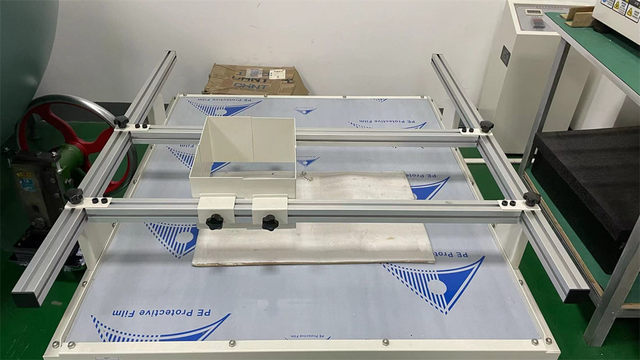
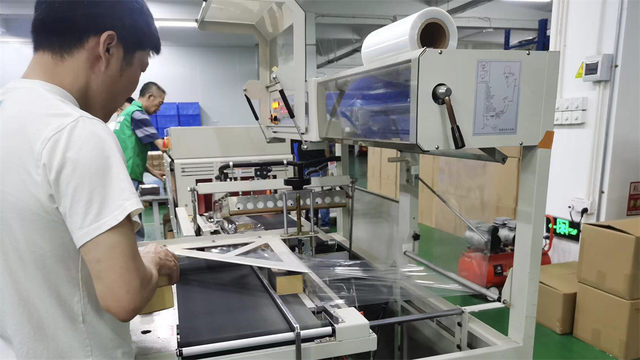
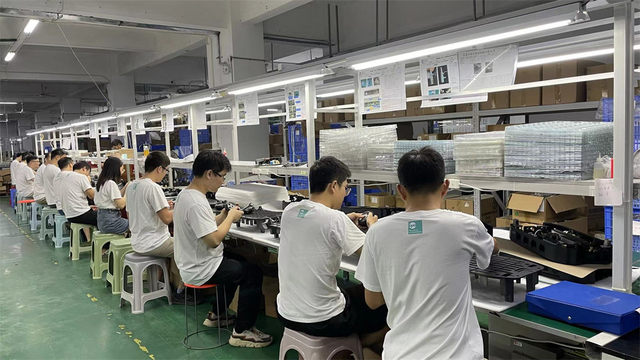
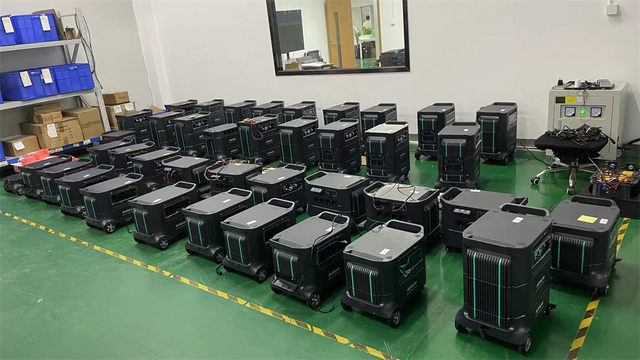
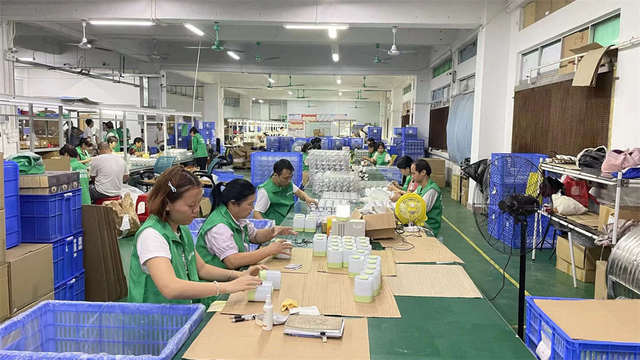
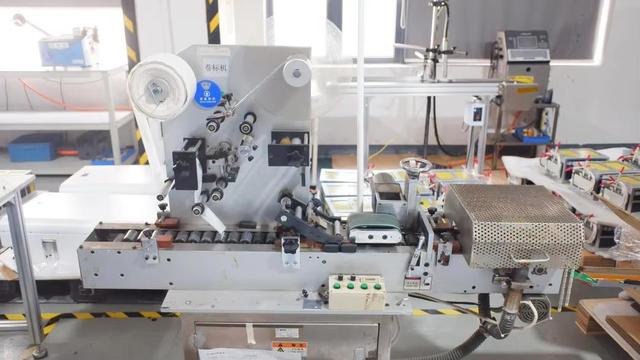
Leveraging vertically integrated logistics, automated assembly, and strict testing protocols to deliver tier-1 quality to North America.
Shanghai 3UP Energy Co., Ltd. is a professional Solar Power Equipment Manufacturer specializing in renewable energy systems, energy storage integration, and smart power solutions for residential, commercial, industrial, and utility-scale applications. Based in Shanghai, China, the company focuses on delivering advanced solar energy technologies that help customers improve energy efficiency, reduce operating costs, and accelerate the transition toward sustainable power generation.
With extensive expertise in renewable energy engineering, 3UP Energy provides comprehensive solutions covering solar power systems, energy storage integration, smart energy management, distributed energy applications, microgrid projects, backup power solutions, and clean energy infrastructure. The company serves a wide range of industries including manufacturing, commercial facilities, public infrastructure, agriculture, logistics, telecommunications, and utility energy projects.
3UP Energy is committed to innovation, system reliability, and long-term performance. Its engineering and technical teams work closely with project developers, EPC contractors, distributors, and energy service providers to design customized solutions based on specific operational requirements, environmental conditions, and energy objectives. From project planning and system design to manufacturing, testing, and technical support, the company provides end-to-end services throughout the project lifecycle.
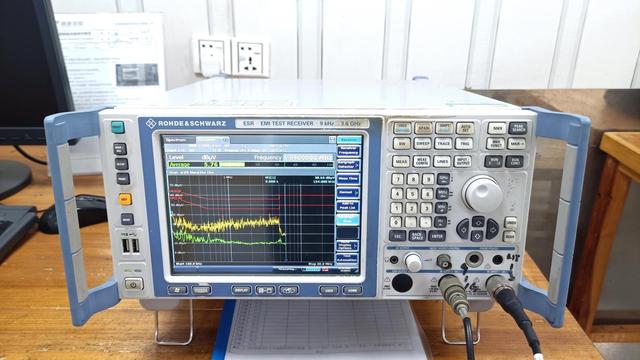
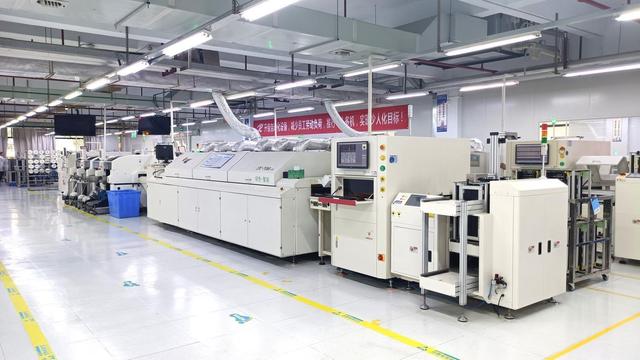
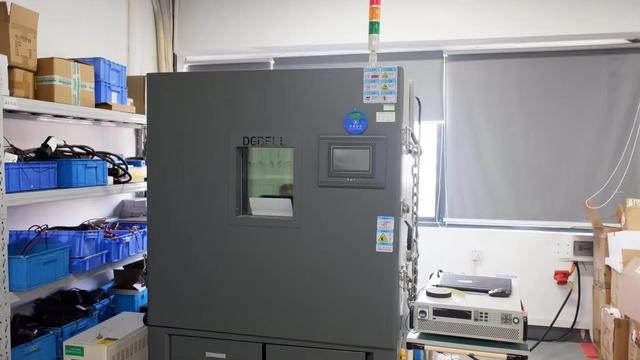
Interconnection certified hardware and heavy-duty components required for standard commercial installations.
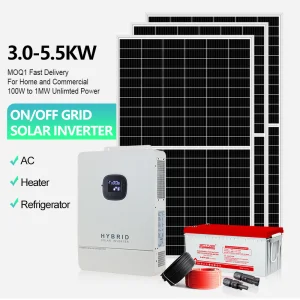
Analyzing custom microgrid implementation scenarios across Pennsylvania commercial sectors.
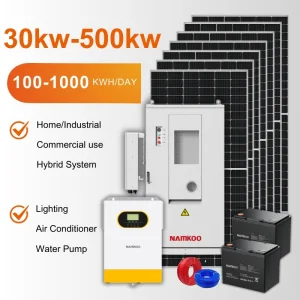
Cold storage units operating in Philadelphia's logistic sectors require massive, continuous electricity to maintain temperature control. A hybrid microgrid combining Namkoo PWM Solar systems with high-capacity battery units ensures that even during a utility substation failure, cooling systems remain active, safeguarding millions in perishable inventory.
For commercial real estate managers inside PECO territory, installing DERCHI modern energy-efficient technologies paired with grid-interactive battery systems maximizes LEED ratings while lowering common-area power bills. These smart systems allow real-time peak-shaving, discharging stored solar energy precisely when demand rates surge.
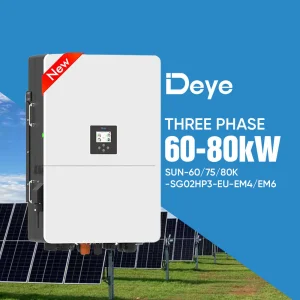
Precision manufacturing plants in Northeast Philadelphia cannot afford power quality fluctuations. Using three-phase Deye hybrid inverters (60KW-80KW) allows facilities to seamlessly buffer grid voltage drops and harmonic disturbances, maintaining high-precision machine operations without restarts.
For enterprise-level buyers and engineering, procurement, and construction (EPC) contractors evaluating hybrid solar options, quality validation is critical. A standard procurement blueprint must cover:
Engineered to support mid-size commercial projects, residential microgrids, and local agricultural power initiatives.
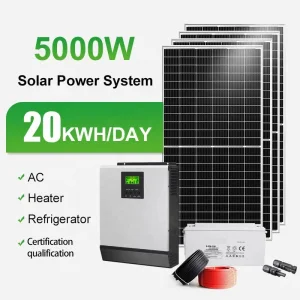
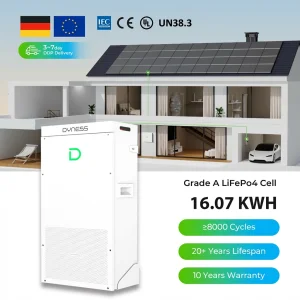
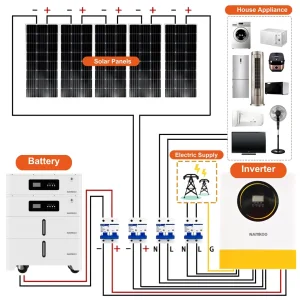
Get detailed engineering and commercial insights regarding hybrid solar deployments in Philadelphia and globally.
Connect directly with our engineering team to plan, customize, and source your next-generation high-efficiency microgrid system.
 3UP Energy