Engineered to withstand tropical climates, high grid volatility, and optimize self-consumption for local commercial enterprises.
An in-depth look at energy dynamics, tariff structures, and green transition frameworks driving clean energy adoption across the Kingdom.
Cambodia's economic growth over the last decade has driven a steep increase in demand for electrical power. With industrial production centering around garment manufacturing, food processing, agriculture, and construction materials, factories face distinct operational hurdles related to electricity. Historically, local power supplies have relied heavily on imported fossil fuels and seasonal hydropower. This seasonal dependency creates grid volatility, leading to voltage fluctuations and occasional peak-season supply deficits that directly threaten industrial productivity.
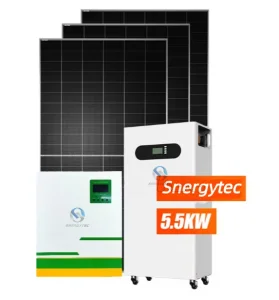
To mitigate grid dependency and stabilize operating overheads, commercial enterprises in industrial zones such as Phnom Penh, Sihanoukville, and Bavet are increasingly turning to behind-the-meter solar systems and Battery Energy Storage Systems (BESS). Our tailor-made clean energy project solutions offer these enterprises the structural reliability required to achieve grid-independence and meet global sustainability audits.
Electricite du Cambodge (EDC) manages a complex network where solar power integration must be carefully balanced. Under current regulatory frameworks, rooftop solar systems are subject to specific capacity limits, net-metering bans, and capacity charges. Businesses must design their renewable assets to operate efficiently under a zero-export framework to avoid grid feedback issues.
Our engineering team specializes in configuring dynamic zero-export controllers and smart Energy Management Systems (EMS) that match real-time PV production with factory loads. Combined with containerized outdoor energy storage, our systems store excess solar energy generated during midday peak hours, discharging it during evening utility pricing peaks or grid outages to secure seamless operational continuity.
Cambodia's tropical climate features consistently high ambient temperatures (often exceeding 40°C in dry season) combined with intense relative humidity and high dust concentrations in agricultural processing regions. Industrial electronics designed for temperate climates frequently experience thermal degradation or premature component failure under these conditions. Shanghai 3UP Energy Co., Ltd. addresses these environmental constraints by implementing ruggedized engineering designs across all clean energy projects:
Leveraging China's leading manufacturing hub to deliver cost-effective, high-quality, and reliable infrastructure.
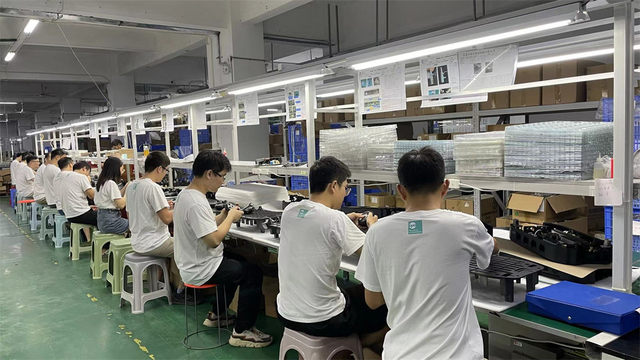
Shanghai 3UP Energy Co., Ltd. is a leading provider of solar power systems, energy storage integration, smart energy management, distributed energy applications, microgrid projects, and backup power solutions. Strategically situated in Shanghai, China's core high-tech manufacturing and shipping hub, we combine industrial R&D, supply chain integration, and engineering services to deliver dependable clean energy solutions worldwide.
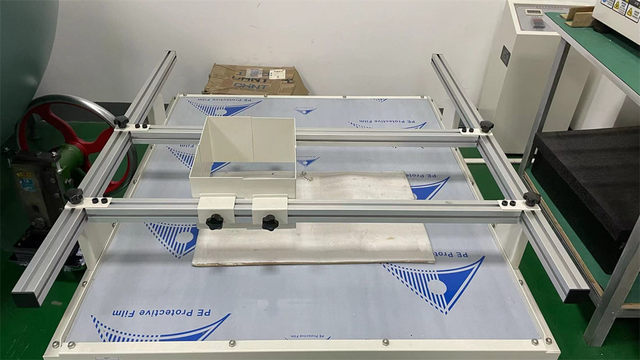
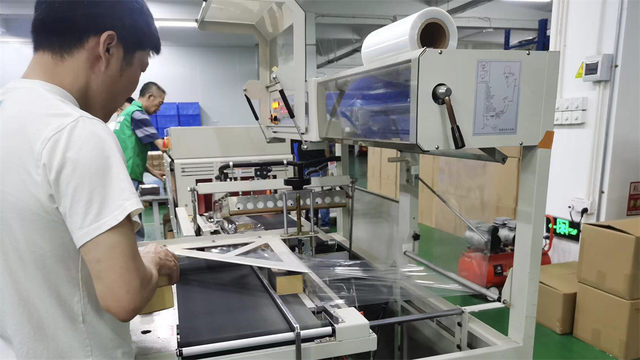
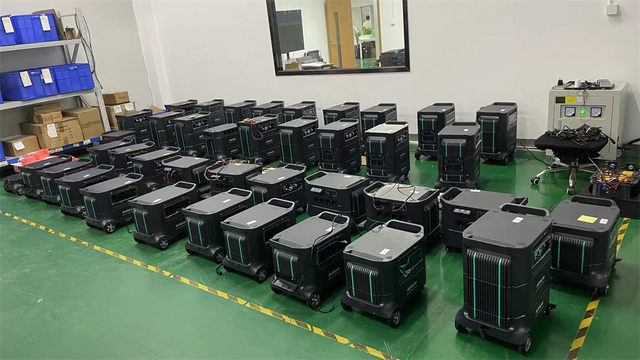
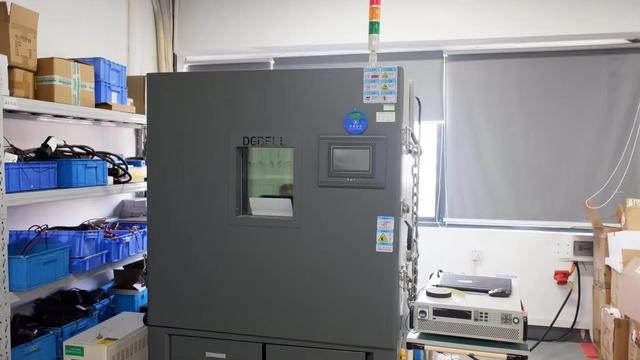
Our production facilities operate under strict ISO 9001 and ISO 14001 quality and environmental management standards. Every component—from lithium iron phosphate (LiFePO4) battery cells to solar tracking robots, PEM electrolyzers, and smart power management hardware—undergoes rigorous quality control checks and system-level thermal stress testing before shipment. This ensures compliance with international safety and performance certifications including CE, TUV, and IEC.
Our logistical positioning allows for streamlined freight routing from Shanghai Port directly to the Sihanoukville Autonomous Port (PAS) or the Phnom Penh Autonomous Port (PPAP). Facilitated by the Regional Comprehensive Economic Partnership (RCEP) agreement, Cambodian buyers benefit from simplified customs procedures, reduced tariff barriers, and accelerated transit times.
To guarantee seamless operation, we partner with localized engineering, procurement, and construction (EPC) companies in Cambodia, providing remote technical commissioning, structural diagrams, configuration tools, and local maintenance support. This ensures local developers and international buyers receive professional O&M service throughout the lifecycle of their clean energy installations.
Clean energy is no longer just a sustainable initiative—it is a vital tool for economic optimization. In Cambodia, our tailored systems serve critical commercial and industrial needs:
Rooftop solar configurations reduce electricity expenses, while integrated BESS prevents production losses from power drops. This helps meet Western brand requirements for supply chain decarbonization.
On islands like Koh Rong and Samloem, our hybrid off-grid systems integrate solar, energy storage, and backup generators to replace expensive, polluting diesel generators with reliable, round-the-clock clean energy.
In rural agricultural centers such as Battambang and Kampong Cham, solar PV systems paired with biogas solutions process agricultural waste and power refrigeration units, protecting crop value.
Explore our complete range of high-efficiency systems engineered for utility developers, EPC partners, and commercial industrial operators.
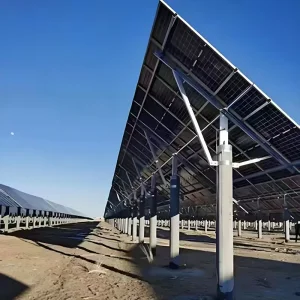
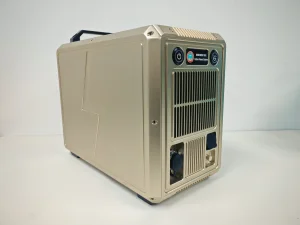
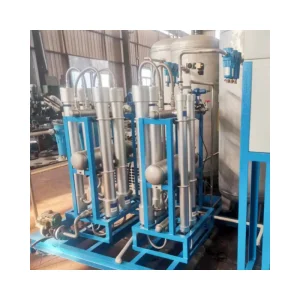
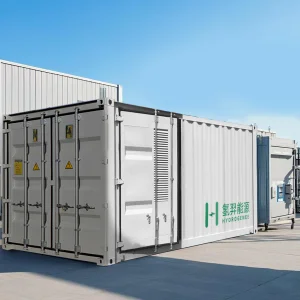
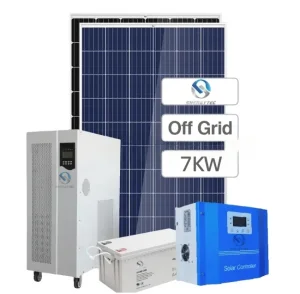
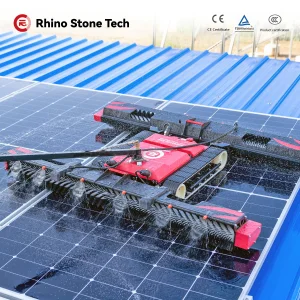
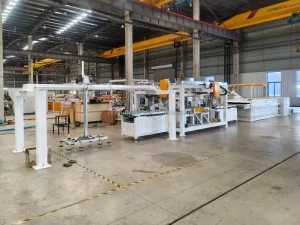
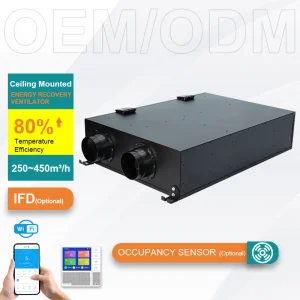
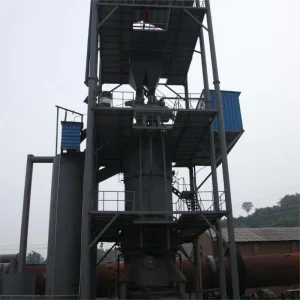
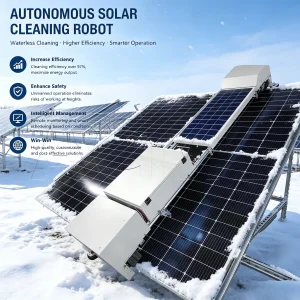
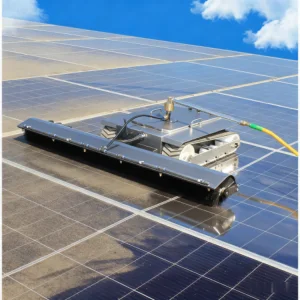
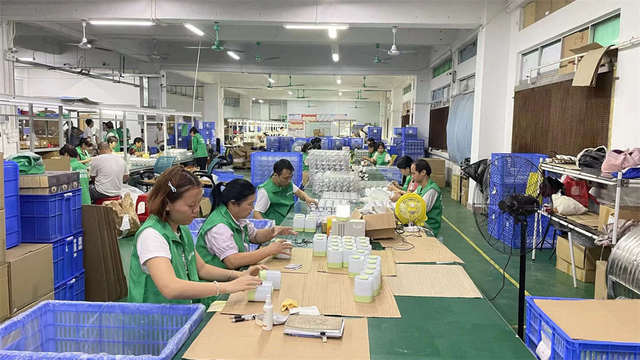
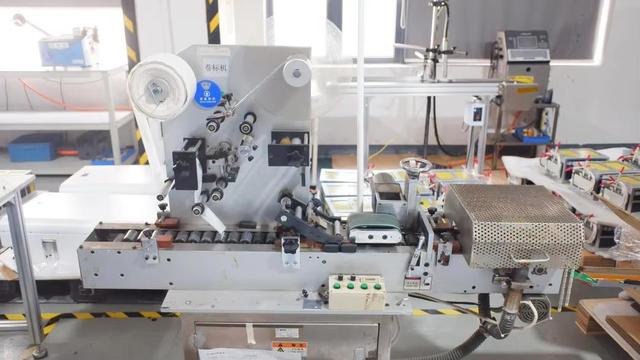
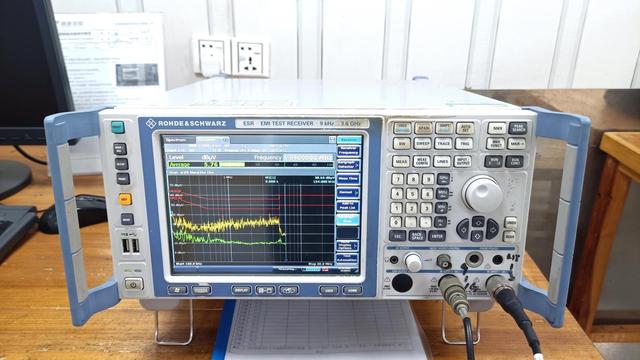
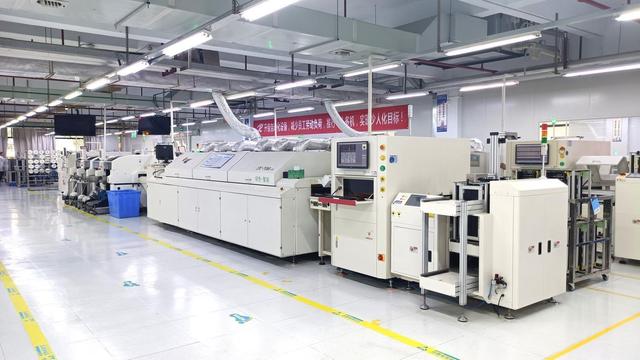
Inside Shanghai 3UP Energy's state-of-the-art facilities, R&D labs, and logistics centers.
Essential insights for developers, sourcing agents, and business owners deploying clean energy technology in Cambodia.
According to current Electricity Authority of Cambodia (EAC) and EDC regulations, net-metering is not permitted for commercial and industrial users. Solar installations are strictly regulated under a zero-export framework. Systems must be configured with specialized control hardware to prevent power backfeed into the grid. Additionally, EDC levies a capacity charge on solar installations larger than a specified threshold. Our smart energy management systems (EMS) are custom-engineered to manage zero-export operations automatically, protecting your system from non-compliance fines.
We provide full-service logistics from our manufacturing center in Shanghai directly to Sihanoukville Autonomous Port (PAS) or Phnom Penh Autonomous Port (PPAP). Leveraging RCEP trade benefits, we provide all required certifications of origin, custom declarations, and safety documents to ensure seamless entry. Local clearance is managed in partnership with local logistics firms or your designated customs broker.
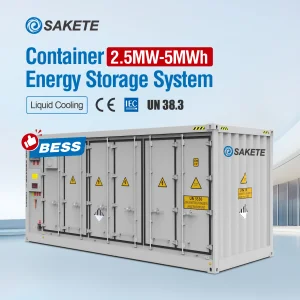
Due to occasional grid instability and seasonal power deficits in Cambodia, micro-outages and voltage fluctuations can cause manufacturing disruptions, particularly in the garment and electronics packaging sectors. A commercial battery storage system (such as our 5MWh container solution) stores excess midday solar energy and discharges it during grid failures or peak pricing hours. This ensures constant power supply, mitigates capacity charges, and stabilizes voltage inputs.
Yes. All of our equipment meets international standards, including CE, TUV, and IEC, which align with Cambodia's grid regulations. We configure our smart hybrid systems to comply with EDC's strict voltage and frequency requirements, ensuring hassle-free approval and connection.
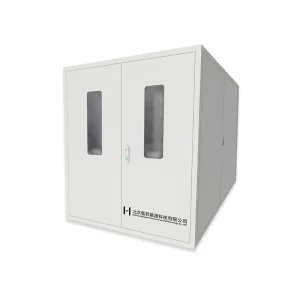
Our battery energy storage containers feature active HVAC cooling systems and advanced liquid thermal management. Our designs keep LiFePO4 cells at their optimal temperature (20–30°C) even when ambient external temperatures exceed 40°C. Heavy-duty IP65 enclosures and multi-layer anti-corrosion coatings protect internal electronics from moisture, humidity, and micro-dust.
Partner with a leading manufacturer of clean energy storage, solar PV integration, and smart hydrogen generation systems. Receive customized technical designs and competitive direct-from-factory pricing.
Send Inquiry Now 3UP Energy