Explore our Tier-1 engineered components, off-grid hybrids, intelligent storage enclosures, and smart control accessories tailored for global procurement distribution.
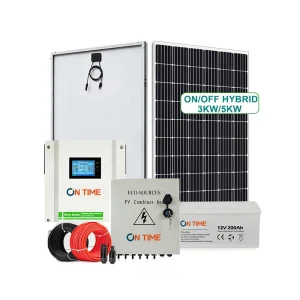
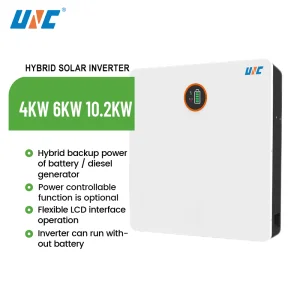
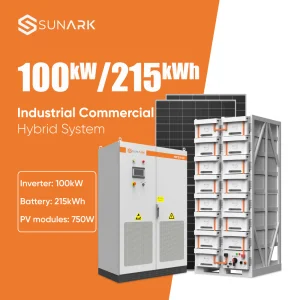
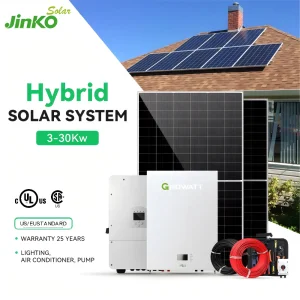
Navigating the global transition to renewable energy requires more than just buying PV panels. For commercial, industrial (C&I), and utility-scale energy projects, procurement directors face a complex array of decisions. From optimizing Levelized Cost of Energy (LCOE) to securing robust energy storage infrastructure (BESS) and navigating local grid compliance codes, every design parameter determines decades of return on investment.
This comprehensive industry analysis serves as a guide for EPC (Engineering, Procurement, and Construction) contractors, utility planners, and procurement directors. Working with top-tier developers and factories like Shanghai 3UP Energy Co., Ltd. helps project managers mitigate supply chain risks, ensure compliance with national standards, and implement solar energy solutions that deliver outstanding ROI.
Supply Chain Security: Relying on integrated Chinese manufacturing hubs allows buyers to bypass fragmented shipping schedules and secure all balance of system (BOS) items from a single provider.
Standards Alignment: Systems must meet global certifications, including UL 9540 (energy storage), IEC 62109, and regional grid codes like IEEE 1547 and EN 50549.
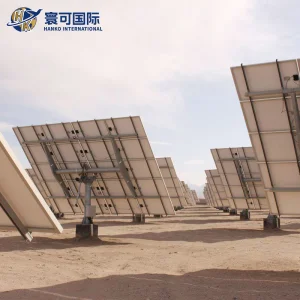
System Adaptability: Today's systems must support hybrid setups, smart BMS communication (CAN/RS485), and dual-axis high-accuracy tracking to handle unpredictable weather and complex grid demands.
Scale, experience, and capability combined to deliver future-ready solar microgrids.
Why Tier-1 Chinese exporters like 3UP Energy offer unmatched cost efficiencies, reliable quality, and comprehensive technical support.
From ingot pulling and wafer cutting to cell manufacturing, module assembly, and BOS production, Chinese factories offer highly integrated production lines. This reduces logistical handoffs and ensures consistent quality control at every stage.
Leading Chinese exporters provide extensive customization options. Whether you need specific containerized energy storage configurations, high-voltage vector-control drives, or specialized tracking systems, engineers can adapt products to meet exact project needs.
Experienced Chinese factories maintain strong logistical partnerships worldwide. They ensure smooth handling of international shipping terms (Incoterms like FOB, CIF, DDP), navigate customs clearances, and deliver products safely to project sites across Europe, the Americas, Africa, and Asia.
Deploying solar energy systems in different countries requires strict adherence to local regulations and regional environmental factors. A generic approach can lead to grid interconnection delays, fines, or system performance issues. Our procurement solutions are engineered to meet these unique challenges.
Before purchasing hardware, developers must ensure the equipment meets local regulations. The table below outlines key regulatory requirements by region:
| Region | Key Certifications Required | Main Compliance Focus |
|---|---|---|
| North America | UL 1741, UL 9540, IEEE 1547 | Battery safety, thermal runaway prevention, and grid interconnection. |
| European Union | CE, EN 50549-1/2, IEC 62109 | Low-voltage ride-through (LVRT), electromagnetic compatibility, and grid protection. |
| Latin America | IEC, RETIE (Colombia), INMETRO (Brazil) | Equipment safety in high-humidity areas and mechanical durability under seismic loads. |
| Middle East & Africa | IEC 61215 (PV modules), IP65/IP66 ingress | High ambient temperature operation and dust mitigation for arid desert conditions. |
Different installation sites present distinct operational challenges. Our solutions are designed to adapt to these environments:
Shanghai 3UP Energy Co., Ltd. is a professional Solar Power Equipment Manufacturer specializing in renewable energy systems, energy storage integration, and smart power solutions for residential, commercial, industrial, and utility-scale applications. Based in Shanghai, China, the company focuses on delivering advanced solar energy technologies that help customers improve energy efficiency, reduce operating costs, and accelerate the transition toward sustainable power generation.
With extensive expertise in renewable energy engineering, 3UP Energy provides comprehensive solutions covering solar power systems, energy storage integration, smart energy management, distributed energy applications, microgrid projects, backup power solutions, and clean energy infrastructure. The company serves a wide range of industries including manufacturing, commercial facilities, public infrastructure, agriculture, logistics, telecommunications, and utility energy projects.
3UP Energy is committed to innovation, system reliability, and long-term performance. Its engineering and technical teams work closely with project developers, EPC contractors, distributors, and energy service providers to design customized solutions based on specific operational requirements, environmental conditions, and energy objectives. From project planning and system design to manufacturing, testing, and technical support, the company provides end-to-end services throughout the project lifecycle.
Equipped with modern production facilities and comprehensive quality management systems, the company maintains strict standards across product development and manufacturing processes. Continuous investment in research and development enables 3UP Energy to integrate intelligent control technologies, advanced monitoring platforms, and energy optimization solutions into its renewable energy systems.
Serving customers across Asia, Europe, North America, South America, the Middle East, Africa, and other international markets, Shanghai 3UP Energy Co., Ltd. is dedicated to delivering reliable solar power equipment and smart energy solutions that support clean energy adoption, enhance energy resilience, and contribute to a more sustainable and efficient global energy future.
As the solar energy market matures, several technological and regulatory trends are driving procurement decisions worldwide. Staying ahead of these shifts helps developers optimize their investments for long-term value:
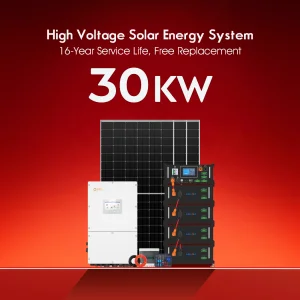
Moving from traditional low-voltage systems to high-voltage (HV) battery setups (typically above 300V to 1000V) helps reduce conversion losses, minimize cable thickness, and cut down on structural balance of system (BOS) costs. HV setups are now the standard for C&I projects targeting high conversion efficiencies.
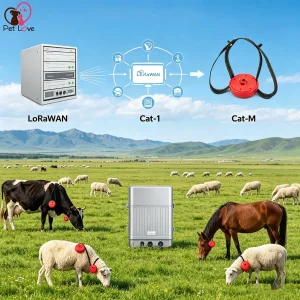
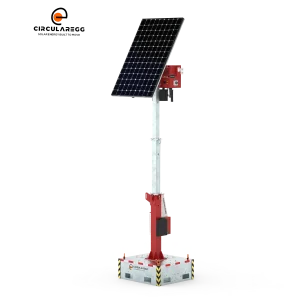
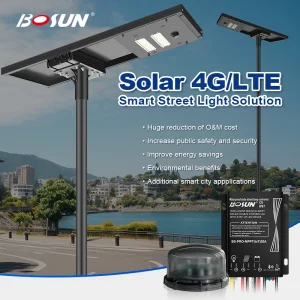
Modern solar projects leverage IoT platforms to track system performance in real time. Integrating 4G/LTE wireless modules and GPS tracking into hardware—ranging from smart streetlights to mobile light towers—helps field engineers monitor operations and perform predictive maintenance from a central dashboard.
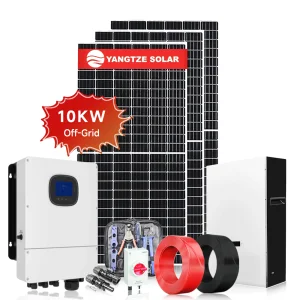
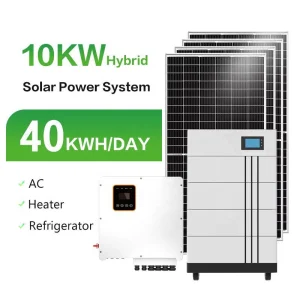
The market is shifting away from piecemeal component sourcing toward modular, plug-and-play installations. Prefabricated residential and commercial kits simplify on-site setup, reduce manual wiring errors, and accelerate project timelines for EPC contractors.
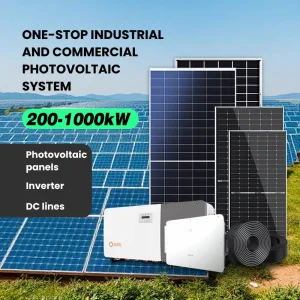
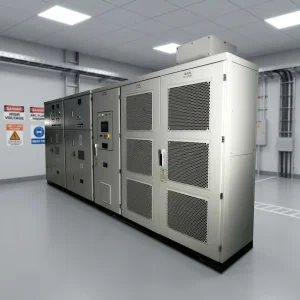
Explore our high-power solar chargers, containerized industrial systems, high-accuracy trackers, and utility distribution hardware.
Get answers to common technical, logistics, and compliance questions about global solar procurement.
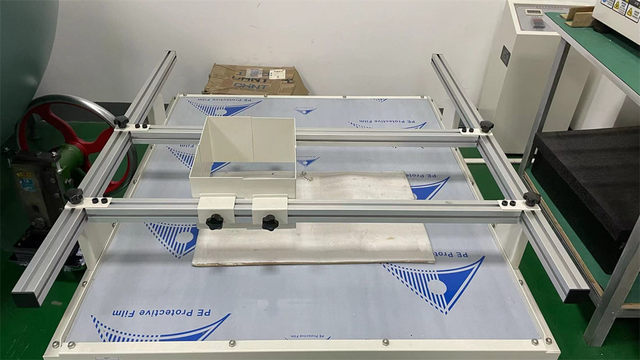
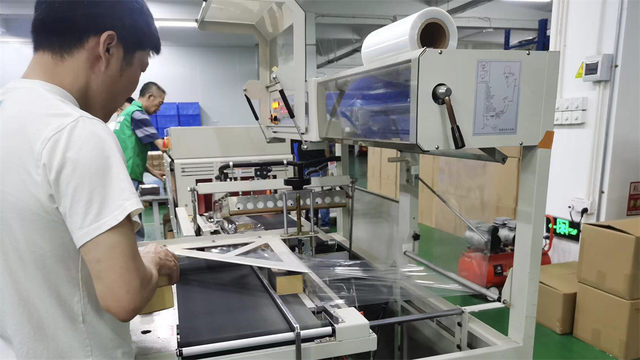
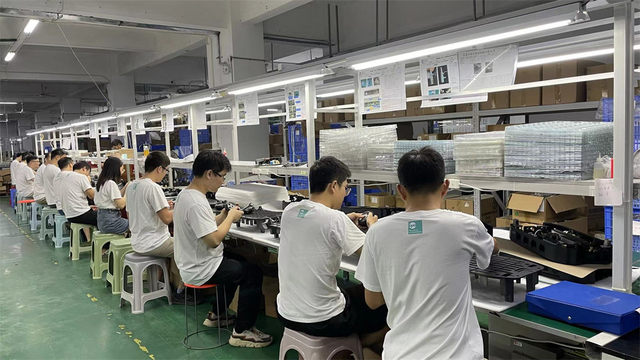
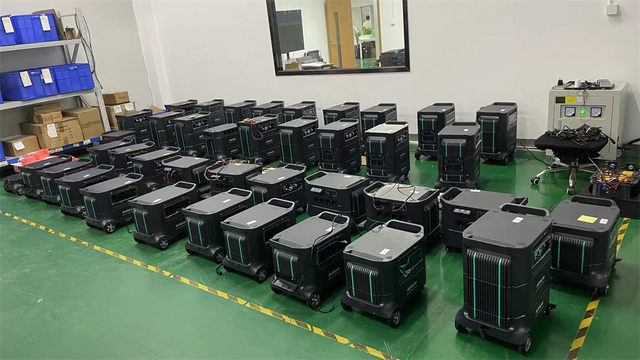
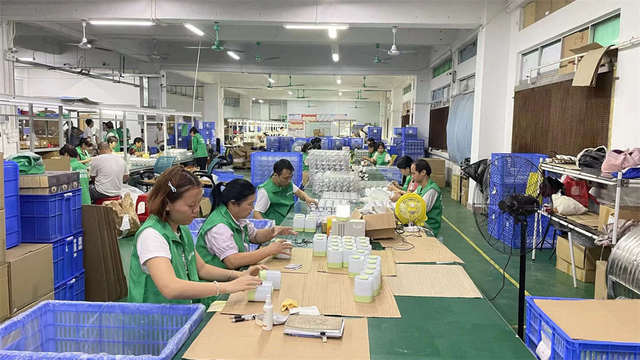
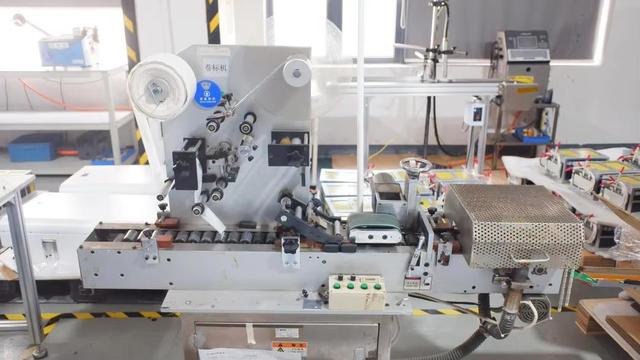
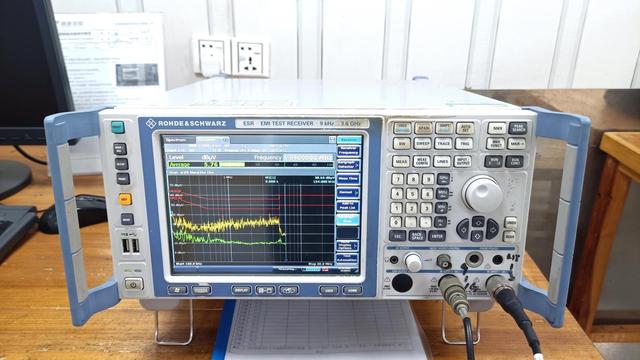
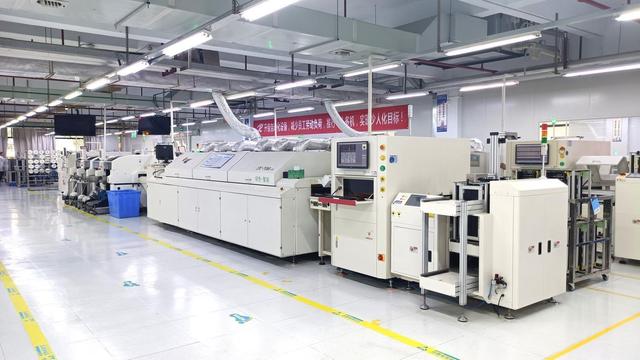
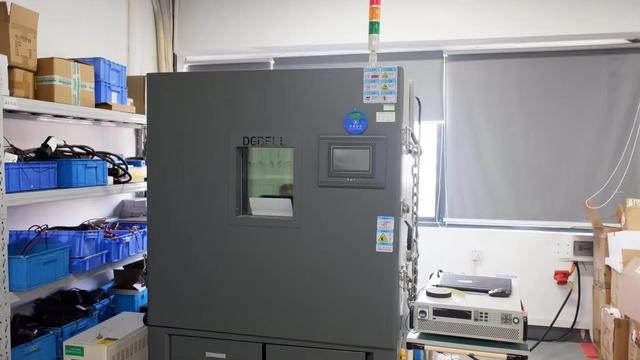
A look inside our state-of-the-art assembly lines, testing labs, and shipping bays, ensuring every shipped component meets our high standards.
 3UP Energy