Engineered for high efficiency, system longevity, and seamless microgrid integration.
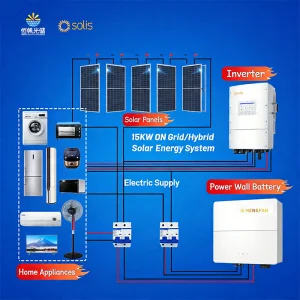
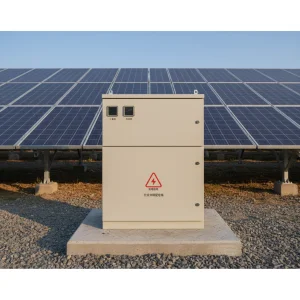
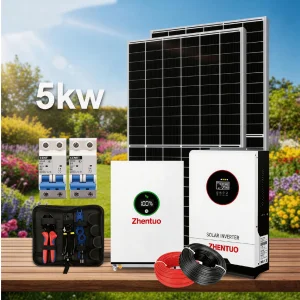
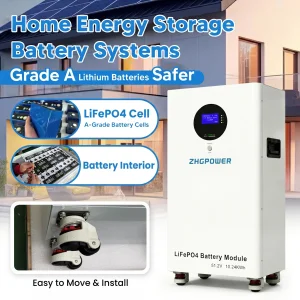
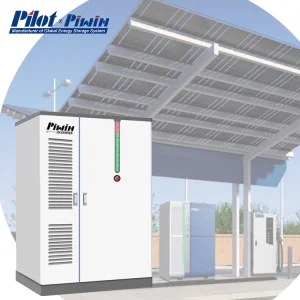
The paradigm shift from passive power generation to dynamic, grid-forming smart microgrids.
Globally, the installation of solar photovoltaic (PV) systems is transitioning from subsidized grid-feeding configurations into intelligent, self-healing, and dispatchable Power Management Systems (SPMS). Modern commercial and industrial (C&I) operations no longer evaluate solar systems purely on peak panel wattage. Instead, the metric of choice is systemic efficiency: the ability of local energy infrastructure to dynamically regulate, store, and deploy electricity in response to fluctuating local utility rates, grid congestion, and localized load patterns.
As grid capacity bottlenecks threaten urban and industrial expansion worldwide, SPMS architecture provides the critical grid-balancing interfaces needed to safeguard continuity. By integrating high-performance Energy Storage Systems (BESS) with local solar PV and Diesel Generator (DG) sources, businesses can achieve full islanding capabilities while optimizing operational expenditure (OpEx). Factories and exporters in China have scaled this sector by standardizing hardware and software modules, enabling rapid system configurations that once required bespoke, cost-prohibitive engineering processes.
Driven by strict grid codes (such as G99 in the UK) and dynamic power pricing tariffs. Systems focus heavily on peak-shaving, reactive power control (cos phi correction), and ancillary grid services frequency support.
Focuses on resilience, demand-charge reduction, and UL 9540A certification for thermal runaway safety. Microgrid capability and automatic seamless islanding are critical for coastal and storm-prone regions.
Characterized by weak utility grids or isolated mine sites. Systems combine Solar PV with Diesel Generators (DG Integration) to minimize diesel fuel consumption while managing transient motor start loads.
Shanghai 3UP Energy Co., Ltd. is a professional Solar Power Equipment Manufacturer specializing in renewable energy systems, energy storage integration, and smart power solutions for residential, commercial, industrial, and utility-scale applications. Based in Shanghai, China, the company focuses on delivering advanced solar energy technologies that help customers improve energy efficiency, reduce operating costs, and accelerate the transition toward sustainable power generation.
With extensive expertise in renewable energy engineering, 3UP Energy provides comprehensive solutions covering solar power systems, energy storage integration, smart energy management, distributed energy applications, microgrid projects, backup power solutions, and clean energy infrastructure. The company serves a wide range of industries including manufacturing, commercial facilities, public infrastructure, agriculture, logistics, telecommunications, and utility energy projects.
3UP Energy is committed to innovation, system reliability, and long-term performance. Its engineering and technical teams work closely with project developers, EPC contractors, distributors, and energy service providers to design customized solutions based on specific operational requirements, environmental conditions, and energy objectives. From project planning and system design to manufacturing, testing, and technical support, the company provides end-to-end services throughout the project lifecycle.
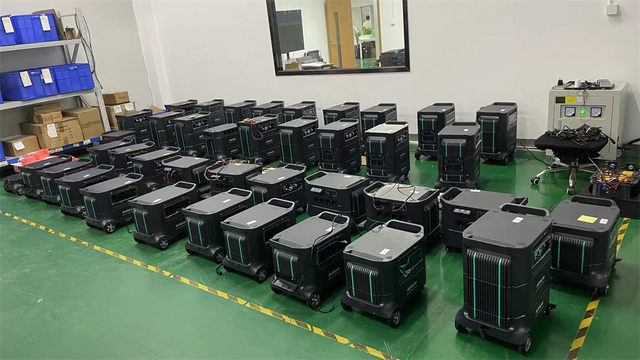
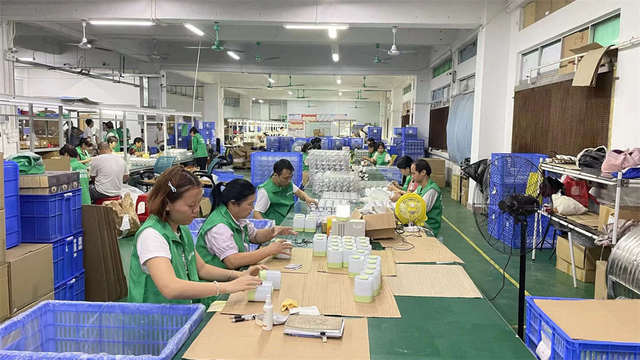
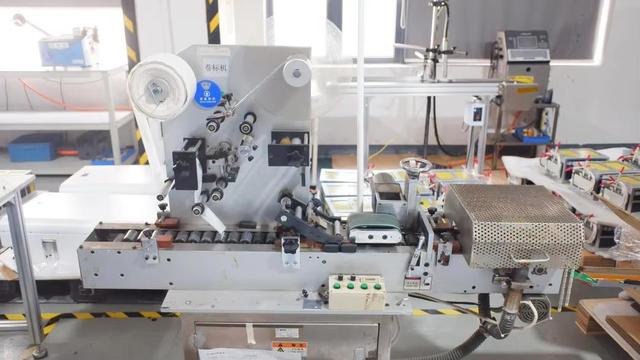
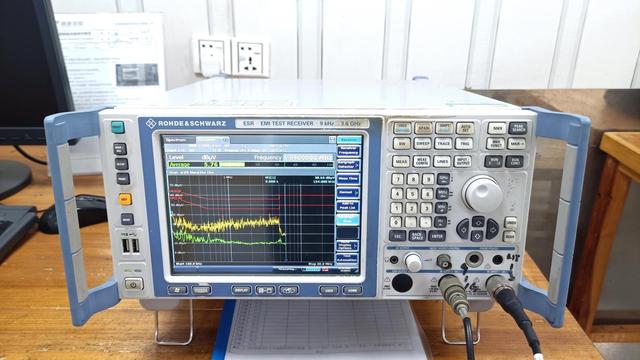
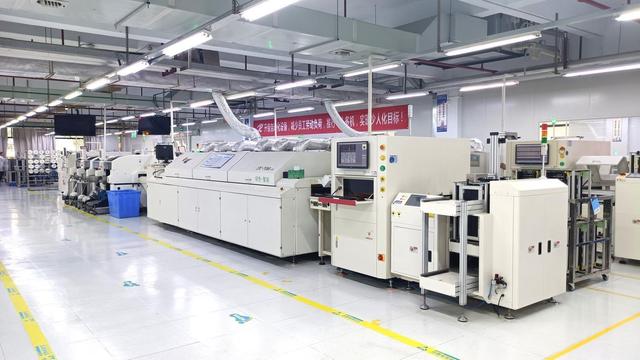
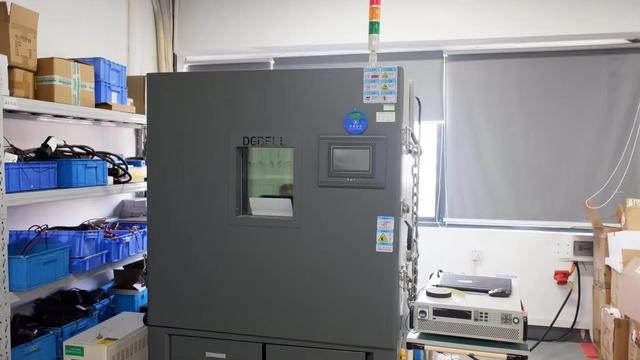
Equipped with modern production facilities and comprehensive quality management systems, the company maintains strict standards across product development and manufacturing processes. Continuous investment in research and development enables 3UP Energy to integrate intelligent control technologies, advanced monitoring platforms, and energy optimization solutions into its renewable energy systems.
Serving customers across Asia, Europe, North America, South America, the Middle East, Africa, and other international markets, Shanghai 3UP Energy Co., Ltd. is dedicated to delivering reliable solar power equipment and smart energy solutions that support clean energy adoption, enhance energy resilience, and contribute to a more sustainable and efficient global energy future.
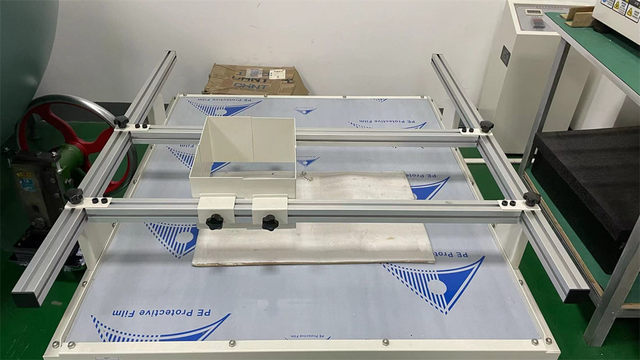
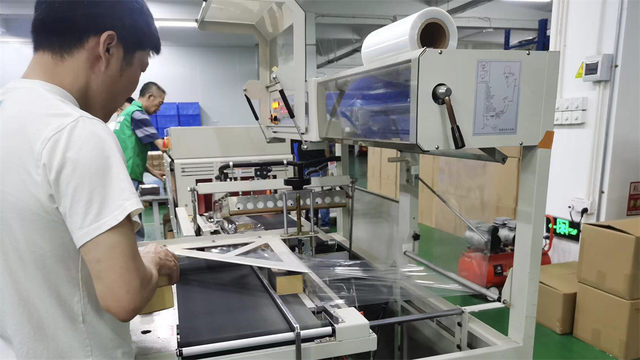
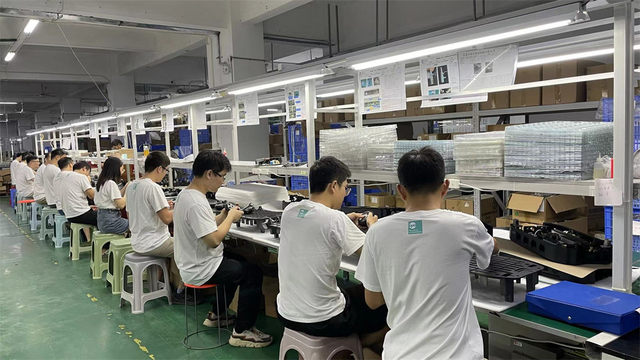
Deploying AI-driven Energy Management Software (EMS) with liquid-cooled physical infrastructure.
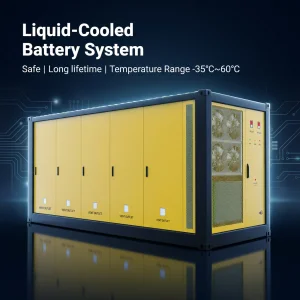
Standard forced-air cooling methods struggle with boundary-layer thermal degradation, which reduces cell lifespan by up to 20% in hot climates. Modern utility-scale storage relies on Liquid-Cooled Systems. Circulating coolant directly through cold plates between LFP (Lithium Iron Phosphate) battery modules maintains temperature variance across the pack to within ±2°C. This level of uniformity directly extends the pack life to over 6,000 charge cycles, prevents hot spots, and reduces safety risks under heavy continuous discharge loads.
Building facades, glass curtain walls, and industrial rooftops are now power generators. Building Integrated Photovoltaics (BIPV) require dedicated sub-array optimization due to complex shadow distributions and differing wall orientations. Power management systems must process dynamic Maximum Power Point Tracking (MPPT) at a highly granular level, preventing mismatch losses while complying with rapid-shutdown safety codes. Advanced systems also provide real-time reactive power compensation to improve power factor levels on site, helping facilities avoid utility penalties.
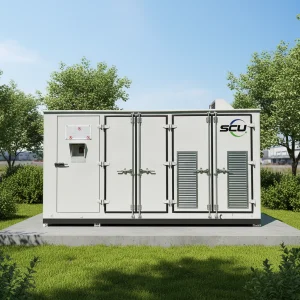
Large-scale energy projects demand rigorous safety integration. High-efficiency lithium-iron phosphate battery container enclosures now incorporate multi-tiered monitoring (detecting changes in voltage, internal resistance, and venting gases like carbon monoxide). If the system detects early signs of thermal runaway, automatic clean-gas fire suppression activates immediately, containing the issue at the module level to ensure personnel safety and protect nearby equipment assets.
Technical insights into industrial solar power management, manufacturing certifications, and system deployment.
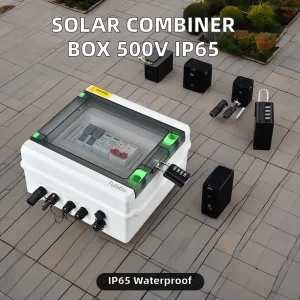
Support equipment, specialized monitoring controllers, and infrastructure safety devices.
 3UP Energy