Explore our industrial-grade photovoltaic, energy storage systems (ESS), and tracking portfolios engineered for low-LCOE project development.
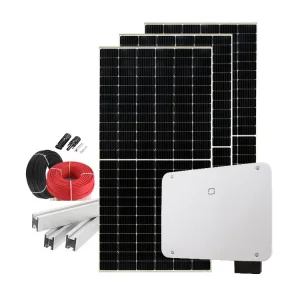
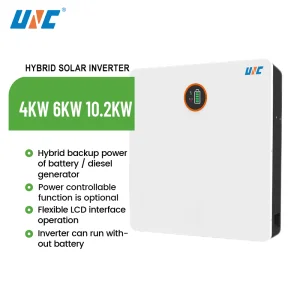
The global energy landscape is undergoing a monumental architectural shift. Driven by aggressive net-zero directives, rising electricity volatility, and geopolitical supply constraints, enterprise organizations are moving away from centralized, fossil-fuel reliance toward decentralized, resilient clean energy systems. This structural transformation demands robust, utility-scale photovoltaic infrastructure coupled with advanced, lithium-iron-phosphate (LiFePO4) Battery Energy Storage Systems (BESS) capable of continuous load-leveling, frequency regulation, and emergency grid islanding.
For Procurement Officers, EPC (Engineering, Procurement, and Construction) contractors, and utility developers, sourcing from qualified manufacturers is no longer merely a cost-minimization exercise. It is a risk-mitigation strategy. The focus has evolved toward evaluating systems under strict Levelized Cost of Energy (LCOE) frameworks, long-term degradation profiles, thermal management safety benchmarks (such as UL 9540A compliance), and system-level interoperability. In this context, China's clean energy production ecosystem stands as the undisputed epicenter of innovation, offering mature, vertically integrated supply chains capable of delivering extreme performance at a global scale.
Shanghai 3UP Energy Co., Ltd. is a professional Solar Power Equipment Manufacturer specializing in renewable energy systems, energy storage integration, and smart power solutions for residential, commercial, industrial, and utility-scale applications. Based in the global engineering hub of Shanghai, China, the company focuses on delivering advanced solar energy technologies that help customers improve energy efficiency, reduce operating costs, and accelerate the transition toward sustainable power generation.
With extensive expertise in renewable energy engineering, 3UP Energy provides comprehensive solutions covering solar power systems, energy storage integration, smart energy management, distributed energy applications, microgrid projects, backup power solutions, and clean energy infrastructure. The company serves a wide range of industries including manufacturing, commercial facilities, public infrastructure, agriculture, logistics, telecommunications, and utility energy projects.
3UP Energy is committed to innovation, system reliability, and long-term performance. Its engineering and technical teams work closely with project developers, EPC contractors, distributors, and energy service providers to design customized solutions based on specific operational requirements, environmental conditions, and energy objectives. From project planning and system design to manufacturing, testing, and technical support, the company provides end-to-end services throughout the project lifecycle.
Equipped with modern production facilities and comprehensive quality management systems, the company maintains strict standards across product development and manufacturing processes. Continuous investment in research and development enables 3UP Energy to integrate intelligent control technologies, advanced monitoring platforms, and energy optimization solutions into its renewable energy systems.
Serving customers across Asia, Europe, North America, South America, the Middle East, Africa, and other international markets, Shanghai 3UP Energy Co., Ltd. is dedicated to delivering reliable solar power equipment and smart energy solutions that support clean energy adoption, enhance energy resilience, and contribute to a more sustainable and efficient global energy future.
Unveiling the advanced production automation and integration protocols that drive down capital expenditure while maximizing operational uptime.
By localizing silicon processing, cell manufacturing, BMS layout design, and structural sheet metal work inside clustered industrial zones, Chinese manufacturers eliminate trans-continental component bottlenecks. This ecosystem yields shorter production lead times and cohesive integration testing.
Leveraging deep learning artificial intelligence, cell classification and sorting machines evaluate battery capacity, internal resistance, and voltage stability down to narrow margins. This prevents localized heat pockets and premature strings decay, ensuring uniform ageing across container systems.
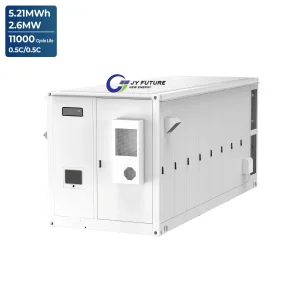
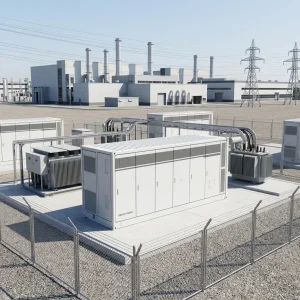
Modern utility scale containers like the YF-6250 6.25MWh utilize advanced liquid-cooling architectures. Circulating cooling fluids directly across cell profiles allows precise temperature regulation (<3°C variance), ensuring safety and sustained capacity under high C-rates.
Industrial architectures demand variable layouts. Off-grid remote installations require rugged PV systems, high-voltage battery storage, and dynamic backup generators to run mining equipment or agricultural water pumps.
Conversely, grid-tied metropolitan structures require fast-response microgrids. They utilize peak shaving and load shifting to dramatically lower demand charges during peak rate hours.
For utility developers, modular container solutions provide scalable plug-and-play building blocks. These blocks streamline installation work on-site, accelerating grid-connection approval processes.
20ft containers integrated with dynamic active-front-end bidirectional inverters directly inject primary reserve frequency support to high-voltage substations.
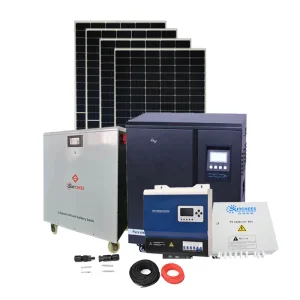
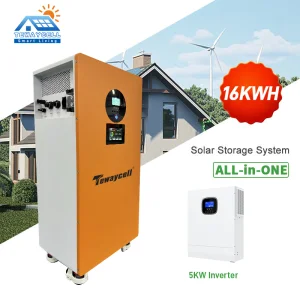
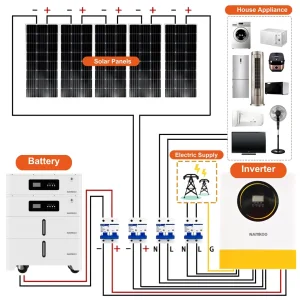
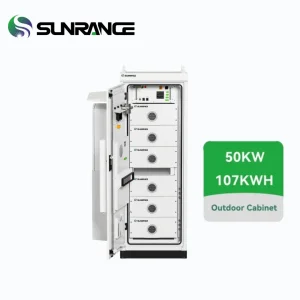
Intelligent energy storage cabinets match factory footprints. They integrate directly with roof-mounted PV arrays, providing continuous power backup and power quality filtering.
AI-driven virtualized management nodes interface with local solar modules, lighting fixtures, and HVAC plants, yielding automated LEED building ratings and minimal carbon footprints.
A pictorial insight into our state-of-the-art testing complexes, production lines, and distribution stages that conform to global criteria.
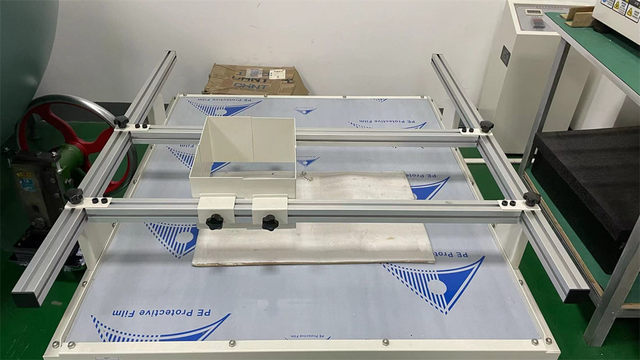
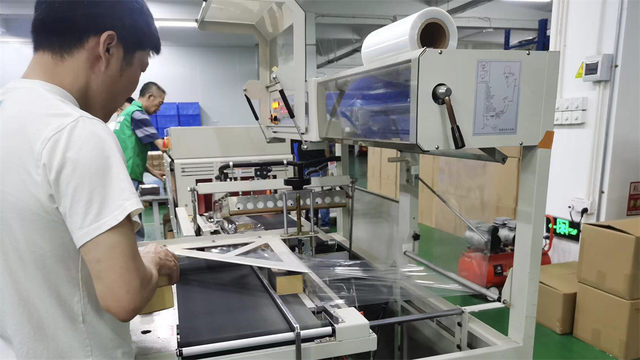
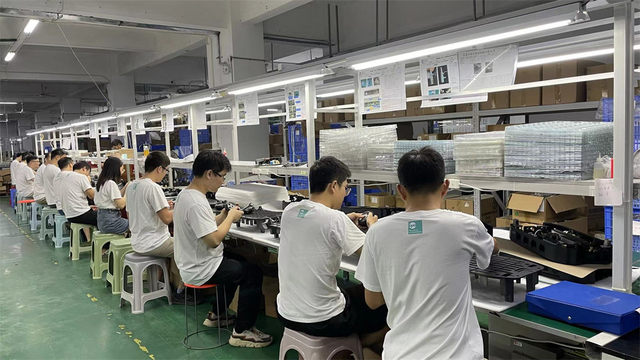
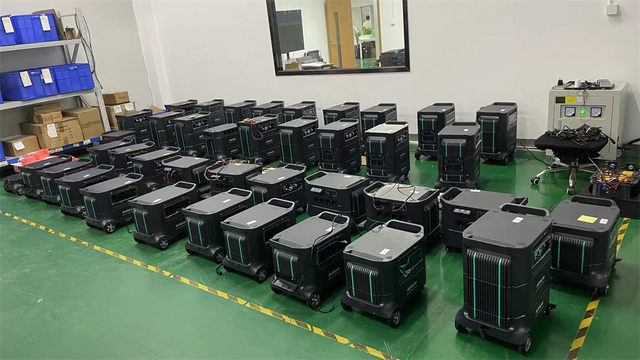
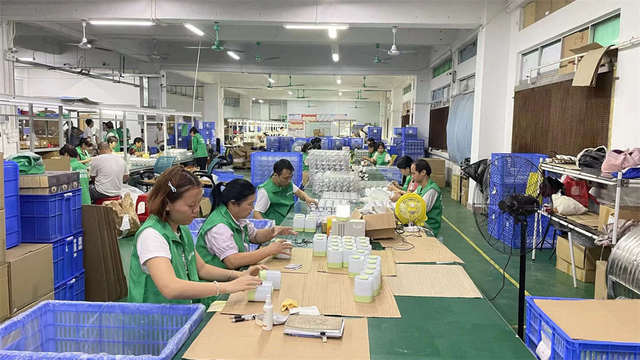
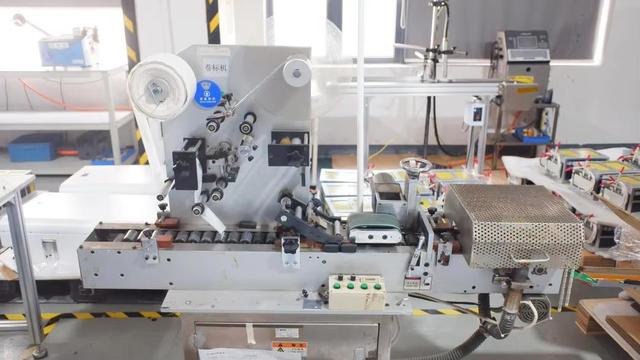
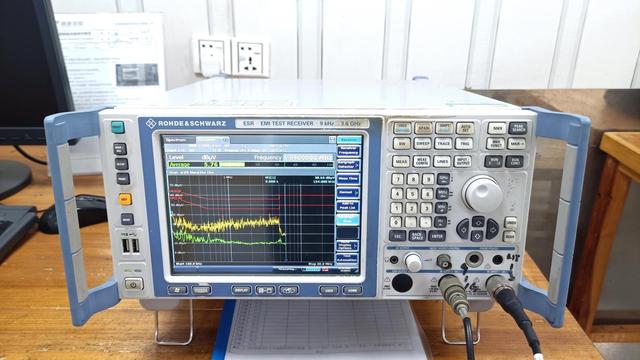
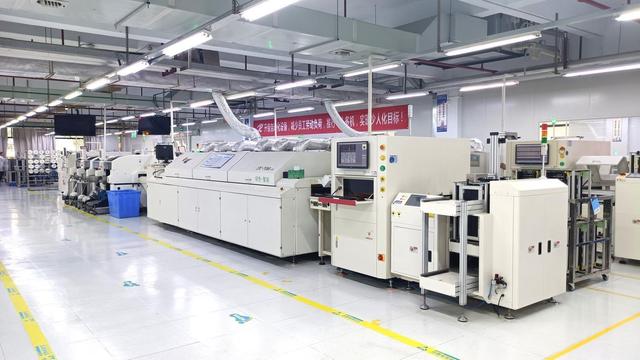
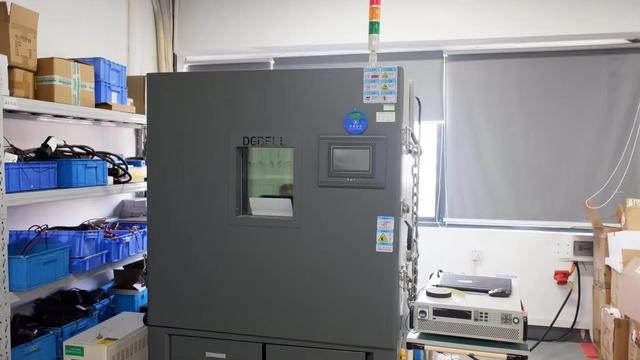
When sourcing Clean Energy Systems internationally, standardizing technical validation metrics is imperative. For procurement teams representing IPPs (Independent Power Producers) or large industrial facilities, the following engineering validation steps must be completed prior to contract execution:
True capital efficiency is found in calculating structural Levelized Cost of Storage (LCOS). A lower initial purchase price often correlates with inadequate thermal management, leading to localized heating, elevated battery resistance, and premature unit failure within 3-5 years. Investing in premium liquid-cooled architectures yields lower long-term degradation rates, significantly reducing the Total Cost of Ownership (TCO) over a typical 15-to-20-year project lifespan.
Get answers to critical engineering, safety, and logistical queries regarding utility-scale solar and BESS systems.
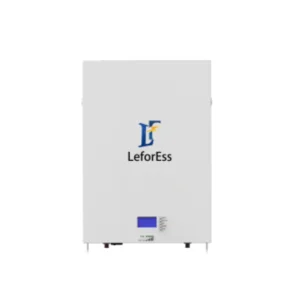
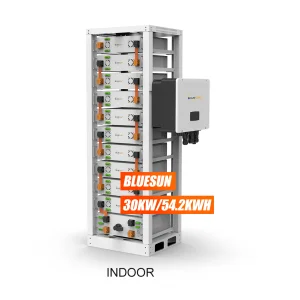
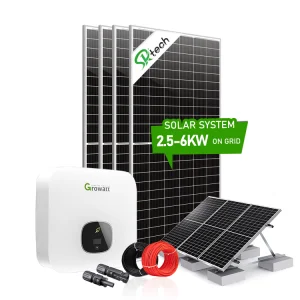
Review the second half of our hardware catalog, focusing on industrial-grade hybrid controllers, solar tracking, and residential storage units.
 3UP Energy