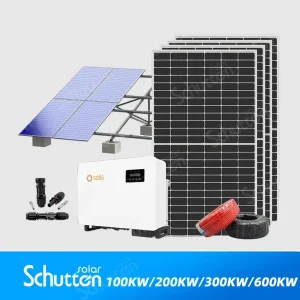
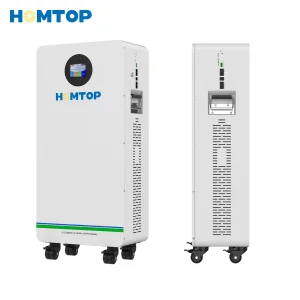
Pre-engineered technologies designed to maximize bankability and project IRR. Seamless integration across diverse grid profiles.
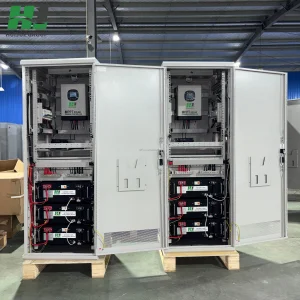
An in-depth analysis of how hardware optimization mitigates credit risks and enhances Levelized Cost of Energy (LCOE) parameters.
The global commercial and industrial (C&I) solar ecosystem is undergoing a fundamental structural transition. Historically, project developer margins and investor returns were protected by government-guaranteed Feed-in Tariffs (FiTs). However, as grids achieve grid parity and transition towards competitive auction models, merchant pricing structures, and bilateral corporate Power Purchase Agreements (PPAs), the financial viability of solar installations relies heavily on minimizing Balance of System (BoS) costs and operating expenditures (OPEX) while maximizing lifetime yield.
Today's institutional investors, infrastructure funds, and green debt underwriters are prioritizing asset bankability. Bankability is not a single abstract metric; rather, it is a multi-dimensional matrix of hardware reliability, component compliance, and predictable degradation profiles. In this context, selecting a manufacturing partner capable of providing high-performance equipment alongside flexible commercial financing solutions is key to unlocking low-cost capital, optimizing Debt Service Coverage Ratios (DSCR), and maximizing equity Internal Rates of Return (IRR).
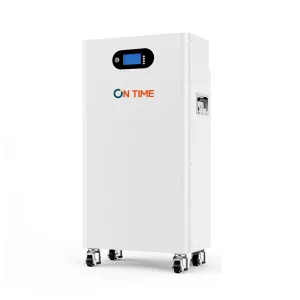
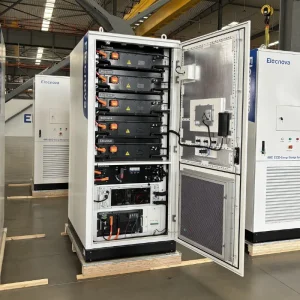
To maintain high financial performance, system designs must incorporate features that mitigate risk across the asset's lifecycle. For example, upgrading to integrated systems with smart Battery Energy Storage Systems (BESS) allows project developers to utilize peak-shaving, load-shifting, and ancillary grid services. This changes the project profile from a passive, variable generator to a dynamic dispatchable power asset, generating higher capacity charges and utility-level revenue streams.
Navigating technology obsolescence, global regulatory compliance, supply chain transparency, and project cash-flow structures.
EPCS and corporate procurement offices frequently suffer from misaligned cash-flow models. Sourcing mismatched sub-components leads to high site integration costs, elongated installation periods, and high warranty dispute risks that can disrupt cash flows.
Power grids globally are implementing stricter connection codes (such as IEEE 1547 and VDE-AR-N 4105). System designs must support reactive power, voltage control, and quick response times to prevent sudden, costly grid disconnections.
Modern procurement teams must also account for supply chain visibility and compliance requirements, such as the EU's Corporate Sustainability Due Diligence Directive (CSDDD). Working with an established and compliant Chinese manufacturer helps developers verify ethical sourcing practices and component-level traceability.
Furthermore, long-term battery degradation risks require proactive solutions. Integrating smart Battery Management Systems (BMS) with cell-level monitoring helps operators trace degradation pathways, enabling timely maintenance and supporting project bankability over 15 to 25-year contract terms.
How an end-to-end manufacturer lowers CAPEX hurdles and supports global project deployment.
Shanghai 3UP Energy Co., Ltd. is a professional Solar Power Equipment Manufacturer specializing in renewable energy systems, energy storage integration, and smart power solutions for residential, commercial, industrial, and utility-scale applications. Based in Shanghai, China, the company focuses on delivering advanced solar energy technologies that help customers improve energy efficiency, reduce operating costs, and accelerate the transition toward sustainable power generation.
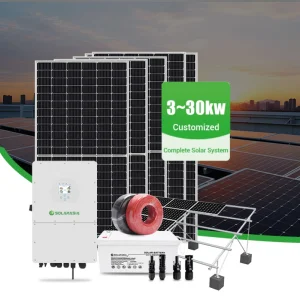
With extensive expertise in renewable energy engineering, 3UP Energy provides comprehensive solutions covering solar power systems, energy storage integration, smart energy management, distributed energy applications, microgrid projects, backup power solutions, and clean energy infrastructure. The company serves a wide range of industries including manufacturing, commercial facilities, public infrastructure, agriculture, logistics, telecommunications, and utility energy projects.
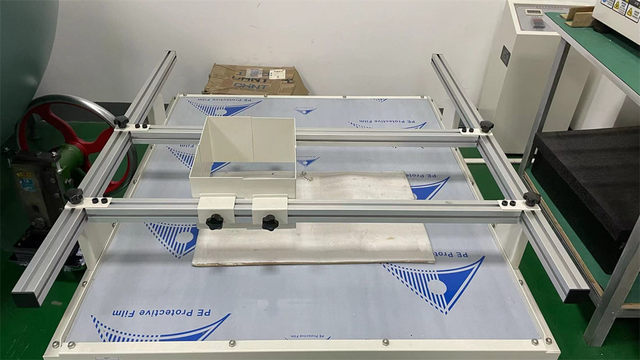
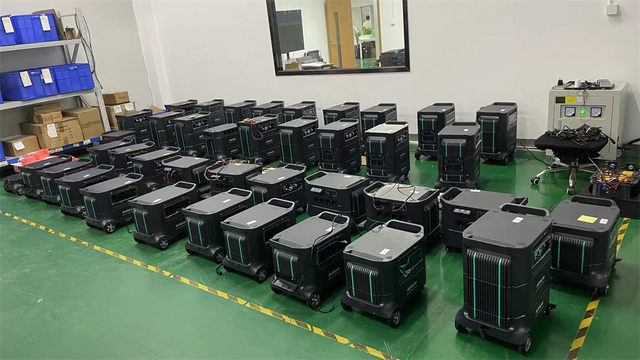
3UP Energy is committed to innovation, system reliability, and long-term performance. Its engineering and technical teams work closely with project developers, EPC contractors, distributors, and energy service providers to design customized solutions based on specific operational requirements, environmental conditions, and energy objectives. From project planning and system design to manufacturing, testing, and technical support, the company provides end-to-end services throughout the project lifecycle.
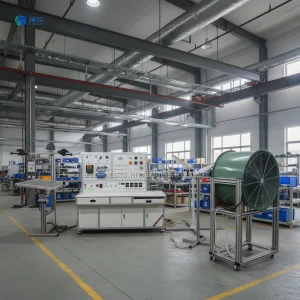
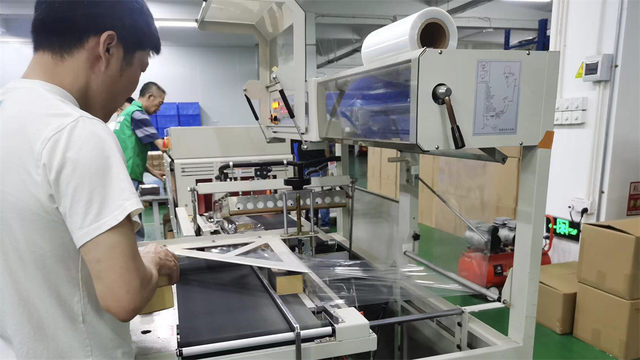
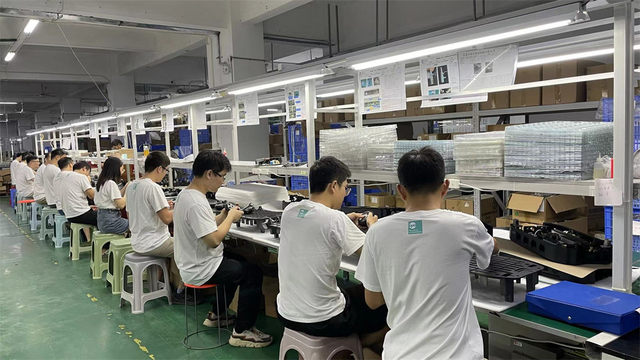
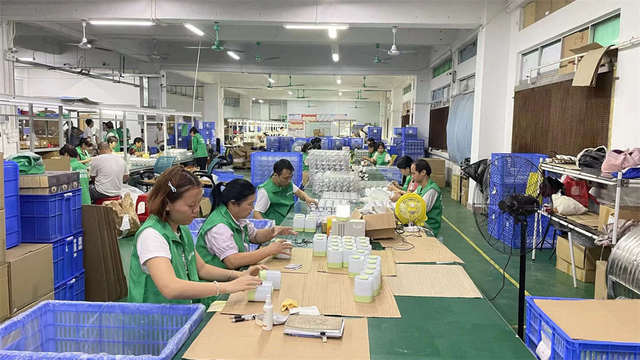
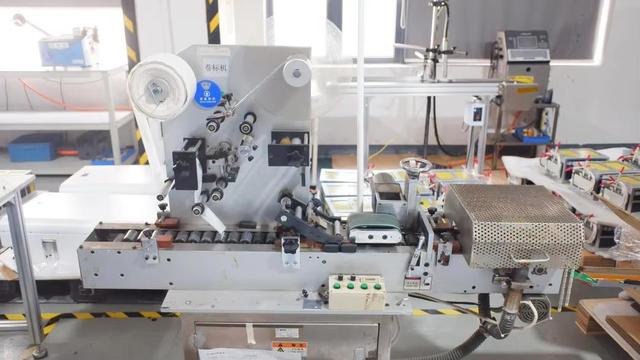
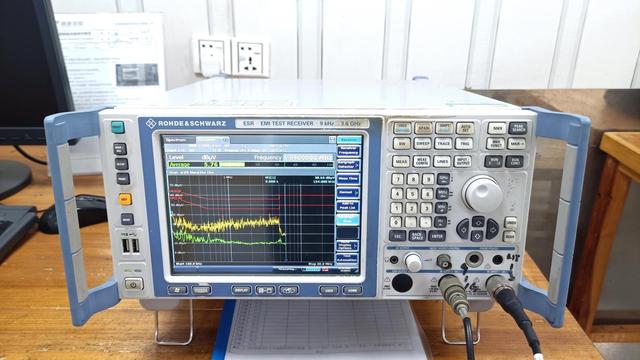
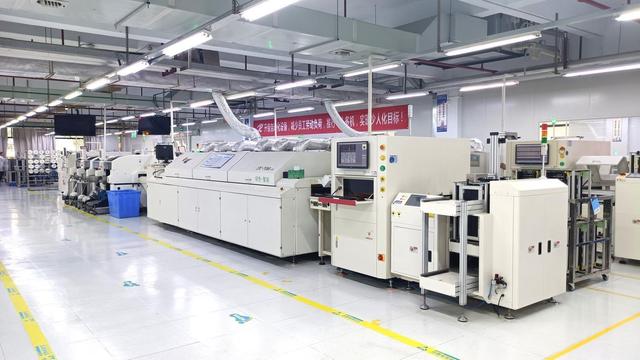
Equipped with modern production facilities and comprehensive quality management systems, the company maintains strict standards across product development and manufacturing processes. Continuous investment in research and development enables 3UP Energy to integrate intelligent control technologies, advanced monitoring platforms, and energy optimization solutions into its renewable energy systems.
Serving customers across Asia, Europe, North America, South America, the Middle East, Africa, and other international markets, Shanghai 3UP Energy Co., Ltd. is dedicated to delivering reliable solar power equipment and smart energy solutions that support clean energy adoption, enhance energy resilience, and contribute to a more sustainable and efficient global energy future.
Navigating global grid codes, certification pathways, and performance guarantees.
Deploying solar energy systems globally requires compliance with regional safety standards and grid interconnection protocols. Products manufactured by Shanghai 3UP Energy are designed to meet major international standards, including CE, TÜV, UL, and UN38.3. This compliance helps simplify the grid approval process and supports project financing by meeting the bankability criteria of international lenders.
To complement this technical compliance, Shanghai 3UP Energy offers flexible supply agreements, warranty frameworks, and remote diagnostic services. These offerings help project owners and financial sponsors manage risks and secure predictable performance over the system's lifetime.
Next-generation battery chemistries, AI energy management, and virtual power plant (VPP) integration.
The integration of artificial intelligence and advanced battery chemistries is key to the next stage of solar development. Over the next five years, solar systems will evolve from passive power generation assets into active, smart nodes within localized grids. Shanghai 3UP Energy's R&D team is focusing on several key technical pathways to support this transition:
The current industry standard of 314Ah LFP cells offers high cycle stability (over 8,000 cycles). Shanghai 3UP Energy is monitoring and researching solid-state and semi-solid-state designs to support future improvements in energy density, fire safety, and lifecycle performance.
Our development roadmap includes the integration of machine learning algorithms into Energy Management Systems (EMS). This software monitors weather forecasts, historical consumption patterns, and spot market pricing to optimize charge/discharge schedules, maximizing financial returns for operators.
Modern projects increasingly combine multiple energy sources. 3UP Energy designs integration platforms that coordinate solar PV, battery storage, diesel generators, and wind systems, helping to ensure microgrid stability and reduce fuel consumption for off-grid operations.
Key information regarding product specifications, bankability parameters, shipping, and custom solutions.
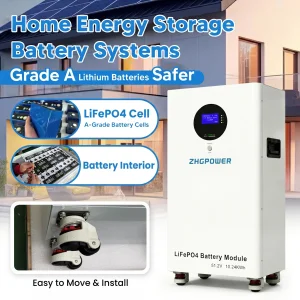
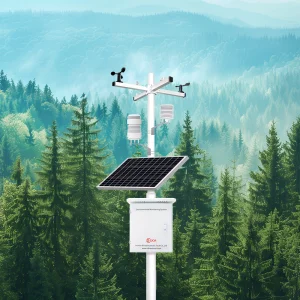
Integrated microgrid hardware, high-power energy storage systems, and remote sensing infrastructure.
 3UP Energy