Why are hybrid solar systems gaining popularity? The answer lies in a practical change: homeowners want more control over when their electricity is used, stored, or exported. A hybrid system combines solar panels with battery storage and a connection to the grid. In daylight, rooftop panels may power a refrigerator, charge a battery, and supply other household loads. After sunset, stored energy can reduce reliance on grid electricity. During an outage, some systems can also keep selected circuits running, depending on their design.
Industry data helps explain the growing interest. The International Energy Agency’s Renewables 2024 report projects that global renewable power capacity will increase by nearly 2,400 gigawatts between 2024 and 2030. Solar photovoltaics account for about 80% of that expected expansion. The report does not measure hybrid systems alone, but it shows the rapidly expanding solar market in which storage is becoming more relevant. In the United States, the Energy Information Administration has also documented strong growth in utility-scale battery capacity, reflecting wider investment in storing electricity for later use.
The appeal is tangible. A battery in a garage can hold midday solar power for evening lights, cooking, or device charging. Still, hybrid systems are not automatically the best choice. Battery prices, electricity tariffs, local weather, and outage frequency all affect payback. A larger battery may look reassuring, yet remain underused. That matters. This introduction explores why hybrid solar systems are gaining popularity, what industry trends support the shift, and where careful sizing matters more than enthusiasm.
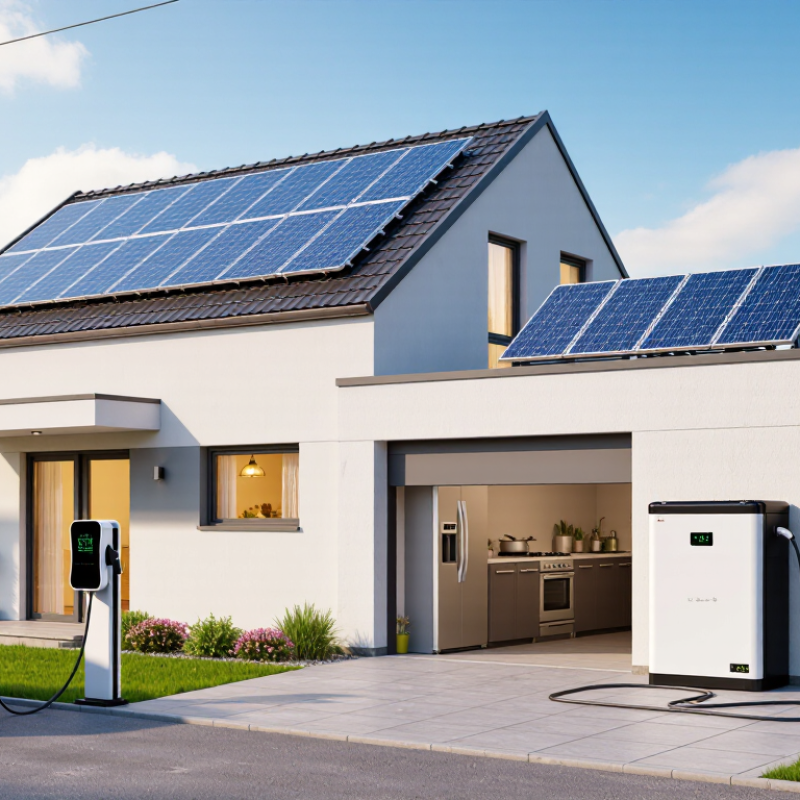
A hybrid solar system combines rooftop or ground-mounted photovoltaic panels with a battery and usually a connection to the electricity grid. Sunlight produces direct-current electricity; an inverter converts it for household use. When panels generate more than the home needs, the battery can store some of the surplus for evening use. If the battery is full, excess power may flow to the grid, depending on the system and local arrangements.
A practical detail: during an outage, panels alone may shut down for safety. Backup power generally requires suitable equipment and a battery. It is not automatic.
This design is attracting attention as solar generation expands and storage becomes more important. The International Energy Agency’s Renewables 2023 report projected that solar PV would provide three-quarters of global renewable capacity growth from 2023 to 2028. In Batteries and Secure Energy Transitions (2024), the IEA said battery storage capacity must rise sixfold by 2030 to support its global tripling-of-renewables scenario. These figures show the wider shift, not a measured forecast for hybrid home systems.
Still, pairing storage with panels can help households use more of their own daytime generation after sunset. There are trade-offs. Batteries add cost, have limited capacity, and may not cover every appliance during a long outage. A hybrid system is useful, but it is not magic.
A hybrid solar system connects rooftop solar panels, a battery, a hybrid inverter, and often the utility grid. Panels produce direct-current electricity when sunlight reaches them. The inverter converts it into alternating current for household appliances, such as a refrigerator or washing machine. The battery stores some excess energy for later use. It is a coordinated setup.
During a sunny afternoon, solar power may exceed the home’s immediate demand. The inverter can direct surplus electricity into the battery, subject to its capacity and settings. Once the battery is charged, extra power may be sent to the grid if the system and local arrangements allow it. When clouds roll in or evening arrives, the home can draw stored energy. If the battery runs low, grid electricity can fill the gap.
During a grid outage, some hybrid systems can supply selected circuits from the battery and panels. This depends on the inverter’s backup design, battery charge, and installation. A standard grid-connected system may shut down during an outage for safety. Not every hybrid system provides whole-home backup. That detail is easy to overlook. Installers typically size equipment around household loads and expected usage, but forecasts are imperfect. A long stretch of cloudy weather can change the picture. Checking battery limits and backup circuits helps set realistic expectations.
Hybrid solar technology combines rooftop panels, a battery, and a connection to the utility grid. That mix can make electricity more flexible. Panels generate power during daylight, while a battery can store some of the surplus for evening use. When solar output falls, a home can draw from the grid or, where the system allows, from stored energy.
The practical benefits depend on household habits and equipment. A family that runs appliances after sunset may use more of its own solar power by charging a battery during the day. In some systems, backup power can keep selected circuits running during an outage. Not everything, though. A battery may not support heating, cooling, and every appliance at once, so check its capacity and the system’s backup configuration. This detail is easy to overlook.
Hybrid systems can also help households manage exposure to changing electricity prices, especially where tariffs vary by time of day. Yet savings are not automatic. Battery costs, local utility rules, roof conditions, and seasonal sunlight all affect results. Reviewing recent energy bills and asking for a site-specific estimate gives a more grounded picture than relying on a generic savings claim.
Hybrid solar systems are gaining attention because they combine rooftop panels, battery storage, and a connection to the utility grid. That combination gives households more control over when they use solar power. A battery can store midday generation for evening cooking, lighting, or charging devices. Useful, but not magic.
Greater energy resilience is another draw. During some grid outages, a properly configured system can keep selected circuits running, such as a refrigerator or a few lights. Backup capacity depends on battery size, system design, and household demand. A small battery may not support every appliance, especially equipment that draws heavy power.
Electricity prices and changing household routines also influence interest. Families with high evening use may value stored solar energy, while homes that use most power during daylight may need less storage. Hybrid systems can often be expanded, though adding batteries later may involve extra equipment and labor. Costs remain a real consideration. The best design depends on local sunlight, utility rules, roof condition, and how much backup power residents actually need. It is tempting to focus on independence, but grid-connected systems still rely on careful planning and maintenance. That detail is easy to overlook.
Hybrid solar systems combine photovoltaic generation with battery storage, helping households and businesses increase solar self-consumption, reduce exposure to electricity-price volatility, and maintain power during grid interruptions.
The chart shows global annual solar PV additions and battery-storage additions. Rapid growth in both technologies reflects stronger demand for flexible, reliable, and lower-carbon energy systems.
Sources: IRENA, Renewable Capacity Statistics 2024; IEA, Batteries and Secure Energy Transitions.
Hybrid solar systems can store excess daytime electricity for evening use, but adding a battery brings new decisions. A home’s roof, wiring, and energy habits all affect system design. Shading from a chimney may reduce production more than expected. Batteries also have limited capacity and gradually lose performance. They are not a guarantee of uninterrupted power: essential circuits must be selected, and backup duration depends on demand and battery size.
Tips: Review a year of electricity bills before requesting quotes. List the appliances you need during an outage, such as a refrigerator, medical equipment, or a few lights. Ask installers to explain expected winter output, battery capacity, warranty terms, and what happens when the battery is empty. Compare written estimates, not just headline prices.
Costs and installation details deserve careful attention. Electrical upgrades, permits, and local utility requirements may change the final budget or timeline. A system sized around one unusually high bill can be a poor fit. So can a battery that sits unused most days. Consider whether the expected savings and backup value justify the expense; the answer may be less clear after real usage begins.
It combines solar panels, a battery, a hybrid inverter, and often the utility grid. Panels make electricity, while the battery stores extra energy.
Solar panels power household appliances first. Surplus electricity can charge the battery, like filling a tank. Extra power may reach the grid.
Some systems can power selected circuits during an outage. Backup depends on the inverter, battery charge, and installation design.
Not always. Many systems support only essential circuits, such as a refrigerator, a few lights, or medical equipment.
If the grid is available, grid electricity can fill the gap. During an outage, supported circuits may lose power until solar production returns.
Duration depends on battery size and household demand. A refrigerator and several lights last longer than many large appliances.
Roof shading, especially from a chimney, can reduce output. Clouds and winter weather also matter. Forecasts are imperfect.
Review one year of electricity bills. List important outage appliances and estimate your usual energy habits.
Electrical upgrades, permits, and utility requirements may affect the budget. A written estimate gives a clearer picture.
Not necessarily. Savings and backup value depend on real usage, battery capacity, and local costs. The answer can become less clear later.
Hybrid solar systems combine solar panels with battery storage and a connection to the electricity grid. During the day, panels generate power for immediate use, while surplus energy can be stored in batteries or sent to the grid. When sunlight is limited or demand rises, stored energy can help supply a home or business, with grid electricity available when needed. This flexible setup can support greater energy independence, improve the use of solar power, and provide backup electricity during some outages.
So, why are hybrid solar systems gaining popularity? Falling technology costs, rising interest in renewable energy, and a desire for more reliable power are encouraging more people to consider them. Still, adoption involves trade-offs: batteries and system installation can add upfront expense, and performance depends on local sunlight, energy use, and storage capacity. Careful planning can help users balance these factors and decide whether a hybrid system suits their needs.

3UP Energy